


Choosing dog gates indoor should not mean bringing a bulky metal frame into a carefully designed room. The Stair Barrier offers a premium fabric safety gate that helps manage where pets can go while complementing the look of your home.
Explore premium fabric safety gates from The Stair Barrier
Indoor dog gates help create defined pet zones in doorways, halls, and near stairs. A premium fabric safety gate can provide a softer, more polished alternative to metal or plastic while offering washable materials, secure mounting options, and convenient roll-to-side storage for daily life.
Finding a balance between safety and style is easier than many pet owners think. Learning why dog gates indoor can complement your decor will help you pick a gate that feels like a natural part of your room.
Why dog gates indoor can complement your decor
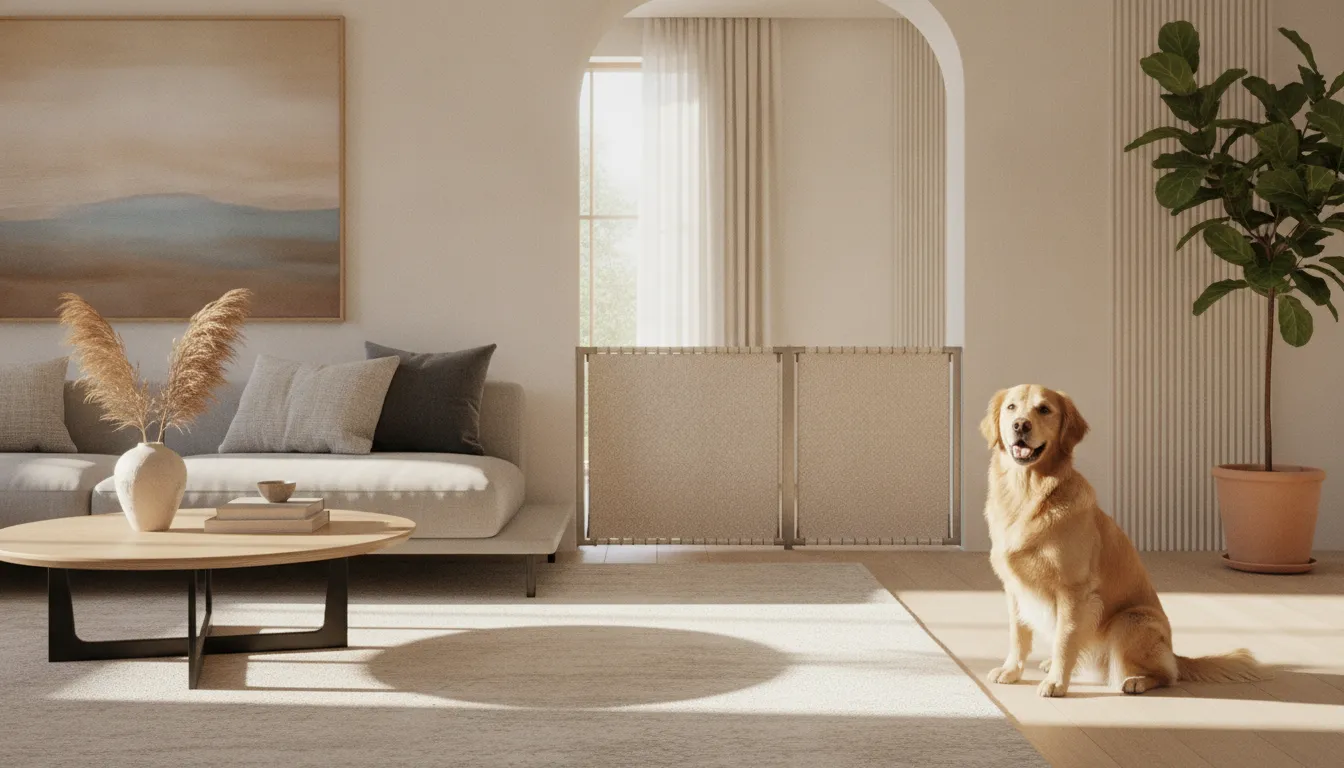
Most pet owners find that standard safety tools feel like industrial gear. Metal bars and plastic frames often clash with a curated home. But choosing a dog gates indoor solution does not mean you have to lose your style. You can find options that use high-quality fabric and soft colors to blend with your rooms. These barriers act more like home decor than kennel parts.
A well-chosen gate keeps your pets safe while it keeps your home looking polished. For those who want safety without the bulk, choosing the best indoor dog gate means looking at materials as much as size. You can pick fabrics that match your rugs or furniture to create a cohesive look across your living space.
Solving the visual weight problem
Traditional gates are heavy and take up a lot of visual space. They draw the eye for the wrong reasons because they look like fences. Fabric gates solve this by having less visual weight. When you are not using them, many can roll to the side or tuck away. This helps your home feel open and airy instead of blocked off by metal cages.
Lightweight fabric options also stop your home from feeling like a vet clinic. You can use textures like linen or woven cloth to add warmth to a room. This is helpful in areas where you entertain guests. A soft barrier is much less jarring than a rigid metal frame. It shows that you care about both your pet's safety and your home's design.
Matching colors and textures
Color choice is a big part of making a safety tool look like part of the room. Neutral tones like gray, sand, and cream are popular because they go with almost any paint color. If you have a specific theme, you can even find patterns that add a pop of style. The goal is to make the gate look like it belongs in the doorway rather than being a temporary fix.
Beyond looks, these gates provide real safety. Some models even meet ASTM F1004 safety standards to ensure they hold up under pressure. When you pick a gate with the right texture, it feels like a soft part of your home. It provides a stylish indoor dog gate for stairs or halls that guests might not even notice at first glance.
Creating a safe and open home
Using gates is not just about keeping dogs out of certain rooms. It is also about preventing accidents. High-traffic areas can become trip risks if you have too many pet items on the floor. In fact, the CDC warns that pet-related items can lead to falls and injuries in the home. A clear, well-placed gate helps manage flow and keeps walkways safe for everyone.
A good gate should also be easy to store when it is not in use. Some fabric gates can be rolled up or moved with one hand. This flexibility allows you to open up your floor plan in seconds. You get the benefit of a closed-off space when needed, but you keep the open feel of your home the rest of the time. It is the best way to balance your pet's needs with your own sense of style.
Compare indoor dog gate materials and styles
Selecting the right indoor dog gate involves balancing your pet's needs with your home's design. The material you choose affects how well the gate stays in place. It also changes how easy it is to clean and how it looks in your home. Since pet items can become fall hazards, choosing a style that fits your floor plan is a key safety step.
Fabric and mesh gates
Fabric gates offer a soft, modern look that blends with furniture. These gates often use heavy-duty, upholstery-grade cloth that can handle daily use. Many owners prefer them because they do not have the hard feel of metal bars. They are also easy to store since many styles roll to the side or fold up when not in use. When choosing the best indoor dog gate, look for machine-washable fabrics to keep the area clean.
Mesh options provide a clear view for your pet. This can reduce stress for dogs that want to see their owners. While fabric and mesh are light, they are sturdy enough for most breeds. They work well in doorways or on stairs where a bulky metal gate might be a trip hazard. If you need a stylish indoor dog gate for stairs, a reinforced fabric barrier is a strong choice. It works well for both banisters and walls.
Metal and wood options
Metal gates are known for being very strong. They are often made of steel or aluminum. These are good for large dogs that might lean or push on a barrier. But metal can look cold or plain. Some styles include a walk-through door so you do not have to step over the gate. This is helpful in high-traffic halls or kitchens where you move often.
Wood gates offer a more classic furniture look. They can match your wood floors or trim. But wood can be heavy and may get scratched if your dog likes to paw at things. Most wood gates are pressure-mounted or bolted to the wall. They provide a solid barrier but can be harder to move between rooms. Many people choose wood for a more permanent fix in a formal room.
Freestanding and plastic styles
Freestanding gates do not attach to walls. You can move them easily from one spot to another. They are best for small dogs that do not jump or push. Because they are not bolted down, they may tip over if a large dog bumps them. They are a good choice if you only need a temporary block for a short time. They also work well in wide openings where a standard gate will not fit.
Plastic gates are often a low-cost choice. They are light and easy to wipe clean. Many plastic styles use a simple pressure-mount system. While they are handy, they may not last as long as metal or wood. Some people find that plastic gates do not match high-end home decor. They are best for travel or for use in areas like a laundry room or basement.
| Material | Decor Impact | Storage | Cleaning | Best Placement |
|---|---|---|---|---|
| Fabric | High (blends with furniture) | Rolls or folds | Machine washable | Stairs and doorways |
| Metal | Low (looks plain) | Heavy to move | Wipe with cloth | High-traffic doors |
| Wood | Medium (classic look) | Solid and bulky | Dust or polish | Formal rooms |
| Plastic | Low (plain) | Light but rigid | Soap and water | Basements or travel |
| Freestanding | Medium (portable) | Accordion fold | Wipe down | Wide openings |
See how The Stair Barrier fits indoor pet spaces
Match the gate to the room and purpose
Selecting the right indoor dog gate depends on the layout of your home and how you live. A gate that works well for a hallway may not be safe for the top of a staircase. Choosing a stylish indoor dog gate for stairs or doorways requires looking at the mounting style and the traffic in that area. By matching the barrier to the specific room, you keep your pets safe and your home looking great.
Secure the stairs with proper mounts
Staircases are the most critical areas for pet safety. You must use hardware-mounted gates for any barrier at the top of the stairs. This prevents the gate from falling if a pet leans on it. It is a vital safety rule to never use pressure-mounted gates on stairways because they can slip and cause a fall. High-quality fabric gates are an excellent choice here as they attach securely to banisters without the need for drilling into your woodwork.
Safety is the main goal when you set up barriers near steps. Data shows that pets and pet items can be a common trip hazard in the home. Using a secure barrier can help reduce these risks by keeping pets in safe zones. Fall prevention is key to a safe living space. A well-placed gate removes the risk of a dog darting underfoot while you use the stairs.
Hallway and doorway solutions
For doorways and hallways, you have more flexibility with your dog gates indoor. These areas often need a gate that is easy to open or move when not in use. Fabric barriers are popular for these spots because they can roll to the side or be removed quickly. This keeps your walkways clear and prevents the "kennel" look that metal gates often create. You can find more tips on choosing the best indoor dog gate that fits your hallway width.
When you place a gate in a high-traffic zone, think about how it looks with your decor. Modern fabric gates come in many colors and patterns to match your furniture. This makes the gate feel like part of the room rather than a piece of industrial equipment. Since these gates are soft, they also reduce the risk of scrapes or bruises if someone bumps into them in a narrow hall.
Create temporary pet zones
Sometimes you only need a gate for a short time, such as when guests arrive. Portable fabric gates are ideal for creating temporary zones in open-plan homes. They are light and easy to store, making them perfect for travel or visiting family. If you need help with a complex layout, check out our installation resources to see how fabric gates adapt to different spaces. These tools ensure your gate is safe and looks good in any room.
How to choose a dog gate that looks intentional
Buying the right dog gates indoor is about more than just blocking a doorway. It is about finding a tool that fits your daily life and your home style. You want a gate that feels like part of your room. It should not look like a metal cage in the middle of your hall. When you look for a stylish indoor dog gate for stairs, start by looking at your floor plan. A well-placed gate makes your home feel calm and neat.
Perfect fit measurements
A good fit starts with the right numbers. Most gate issues come from small gaps. A loose grip on your walls or rails is also a big risk. You should check the width of your space at the top, middle, and bottom. This is vital for stairs. Rails can be uneven or lean over time. If you have any doubt about your space, use a measuring guide to help get it right. Taking a photo of your stairs can also help you find the best spot for setup.
Pet size and habits
Think about how your dog acts when you are not there. Some dogs lean on gates with all their weight. Others might try to jump over the top. A big dog needs a wide gate that stays firm. A small dog might try to squeeze through a tiny side gap. Using a gate helps keep your home safe for all. These tools can also help reduce fall hazards by keeping pets out of busy walkways. Always pick a gate that meets safety rules for the best peace of mind.
Designs that match your home
Your gate should match your rugs, chairs, and walls. Look for fabric options that use thick upholstery cloth. With over twenty fabric looks, you can find a style that fits your home. Choose colors like gray, navy, or cream to blend in with your furniture. Fabric gates are also easy to keep clean. You can take the fabric off and toss it in the wash to keep it looking new. When you do not need the gate, a roll-away design keeps it out of sight.
- Measure the width of your doorway or stairs at three heights to find the true size you need.
- Decide on a mounting style that fits your home, like a wall-to-banister setup that does not need a drill.
- Check your dog's height to make sure they cannot jump over the gate when they are busy.
- Choose a fabric color that pairs well with your home's decor to keep the look clean and stylish.
- Make sure the gate has a lock that is easy for adults to use but keeps pets and kids safe.
- Pick a gate that is easy to move or store so it does not block your path when the dog is with you.
Most home owners find that fabric gates offer the best mix of safety and style. They are light and easy to handle but strong enough for daily use. Unlike metal gates, they do not have bars that pets can get stuck in. This makes them a practical choice for both small and large dogs. If you need help with the final steps, look for videos to guide your setup.
Do freestanding dog gates work?
Freestanding dog gates can be a good tool for pet owners who want a simple way to block off rooms. These gates do not need any tools to set up. You just put them on the floor to keep your dog in or out of a space. They work well for small or older dogs that do not try to jump over or push through things. But they might not be the best choice for every home.
When to use a floor gate
A freestanding gate is helpful when you need a quick fix. Because you do not need to drill holes, you can move it from room to room. This makes it a practical choosing the best indoor dog gate option for renters or for use when you travel. Many owners choose these gates because they look like furniture. They can blend into your home better than a metal cage. Some indoor dog gates are made of wood to match your decor.
Limits of portable gates
While they are easy to use, floor gates have some weak spots. They stay up by using their own weight and wide feet. This means they are not as strong as gates that screw into a wall. If you have a big dog, a floor gate may not hold up. Not all pet barriers can handle a big dog that leans or pushes on them. A strong dog can often knock these gates down with one good push.
These gates can also be a trip hazard. Since they sit on the floor, you or your guests might trip over the feet. Pets and pet items can contribute to falls in the home. This is why many parents of young kids choose a fabric safety gate that mounts to a wall instead. A stylish indoor dog gate for stairs that stays in place is often safer for busy homes.
Safe ways to use them
If you use a floor gate, pick the right spot. Use them in areas with low foot traffic to avoid trips. They are best for wide doors where a dog only needs a visual sign to stay back. Always keep an eye on your dog when using any gate. All child and dog interactions need a lot of supervision to keep everyone safe based on health data. For the best safety on stairs, a gate that mounts to a post is a better way to block the path.
Keep an indoor dog gate looking polished
A high quality indoor dog gate should feel like a part of your home decor. Many pet owners worry that safety tools will ruin the look of their curated spaces. But you can maintain a clean and refined home while keeping your pets in safe areas. Choosing the right materials and keeping up with simple care will help your gate look its best for years.
Washable fabrics for daily life
Fabric dog gates indoor are prone to fur, dust, and paw prints from curious pets. The best way to keep these barriers looking new is to choose gates with machine washable fabric. Upholstery grade fabrics provide the durability needed for busy homes. You can easily remove the fabric from the internal struts to toss it in the wash. This makes it simple to keep your space fresh and free of pet odors or stains.
When you clean your gate, use a gentle cycle with a mild soap to preserve the color and texture. Regular washing helps prevent dirt from settling into the weave of the material. This care is vital for maintaining the premium feel of your home. It also ensures that your gate remains a clean and safe part of your living area for both pets and children.
Smart storage and hardware checks
One of the best ways to keep a space looking polished is to hide safety tools when they are not in use. Some gates feature a roll to side design that stays out of the way. This allows you to open up your walkways for guests or during quiet times. For those with specific needs, choosing the best indoor dog gate with a slim profile can make a big difference in how your room feels.
You should also perform quick hardware checks to ensure your gate stays secure and straight. Pets and children can sometimes lean on barriers, which may shift the position of the gate over time. Ensuring that your gate meets ASTM F1004 safety standards is a top priority for any home. You can also look for a stylish indoor dog gate for stairs that uses heavy duty straps to prevent sagging or slipping.
Coordinating with home colors
The color of your gate plays a major role in how well it blends with your room. You should select a shade that matches your walls or trim to make the barrier less visible. Popular options like Sandstone or Pebble Gray Linen offer a neutral look that works with most modern styles. If you have darker wood or bold accents, colors like Midnight or Classic Navy Linen can add a touch of class while serving a clear purpose.
Pet owners should also be aware that items in walkways can sometimes lead to trips or falls. Pet-related items can become hazards in walkways. Choosing a gate that coordinates with your floor and stays flush with the wall helps reduce these risks. A well matched gate is not just about style; it also creates a safer and more orderly environment for your whole family.
What can you use instead of a dog gate?
You may sometimes need to keep your pet in one spot without using a tool like dog gates indoor. While a gate is often the easiest path, other home items can help. You might close a door or use a tall crate to block a hall. These options work well for short tasks but may not last all day.
Closing doors and using pens
A simple way to stop a dog is to close the door to a room. This keeps them safe and out of trouble while you are busy. You can also use a pet pen to make a small, safe space. Some pens are large and let your dog move around or play with toys. But most pens take up a lot of room and may not look great in a polished house.
Pens and doors do not always work for every home. If you have an open floor plan, you might not have enough doors to block the way. Also, some dogs may bark or scratch when they are behind a solid door. This can lead to stress for your pet and damage to your home. Using a gate often helps the dog feel less lonely since they can still see you.
Training and room layout
Training your dog is a practical long-term way to set bounds. You can teach a "place" cue or a "stay" command to keep them in one area. This takes time and work but can remove the need for tools. But even well-trained dogs may fail if they see something exciting. High supervision is always key, as any dog can bite or act out if they feel stressed, according to research on pet safety.
You can also change how your rooms are set up. Placing a heavy chair or a side table in a narrow path can slow a dog down. This does not fully stop a pet, but it can help them learn where not to go. Just be careful that these items do not create a fall risk for people in your home. Pets and pet items can contribute to falls and injuries.
When to choose a safety gate
While DIY paths exist, a purpose-built gate is often the safest bet. Homemade barriers can fall over and hurt your pet or a child. A real gate is made to stay in place and handle the weight of a dog. For stairs, you should always use a gate that meets high safety rules. choosing the best indoor dog gate ensures you get a fit that is both safe and easy to use daily.
Gates also help keep your home looking good. Unlike a bulky pen or a messy pile of boxes, a fabric gate can blend in with your decor. You can find many styles that look like furniture rather than kennel gear. This lets you keep your pet safe without changing the look of your favorite rooms. When you need a fast and sure way to block a path, a gate is usually the best tool for the job.
Frequently Asked Questions
What can I use instead of a dog gate?
Fabric gates offer an easy way to keep pets in one part of the home, and these soft gates do not look like cage parts. They are also less likely to cause trips in halls than metal ones. Pet items can become a fall hazard. A thin fabric gate helps keep your floors clear while keeping your family safe.
What's the best dog gate for indoor use?
The best indoor dog gate should match your style while keeping your pet safe in any room. Look for gates made with tough fabric and good parts rather than thin plastic or steel. A good gate must also be strong and meet safety rules like the ASTM F1004 standards. This ensures the gate is tough enough for daily use and keeps your home looking polished.
How do you make an indoor dog gate?
You can make a basic gate with wood, but DIY gates often lack safety tests. For a safe home, it is better to buy a gate that meets expert rules. These gates go through hard tests to ensure they do not fail when a dog pushes on them. For the best results, pick a gate that uses safety-tested designs to protect your pets and your children from harm.
Can indoor dog gates handle large breeds?
Yes, but you must choose a strong model because not all pet gates can handle a large dog. If you have a big dog, look for a gate with tough fabric that will not sag. A good indoor dog gate for big dogs should attach to a wall to stay in place. This keeps the gate from falling if your pet gets excited or jumps.
Ready to find the right fabric safety gate for your home?
The Stair Barrier brings together premium upholstery-grade fabric, a polished look, and installation options designed for challenging spaces. Measure carefully, consider your dog's habits, and choose a gate suited to the exact opening. Adult supervision and correct installation remain essential around pets and children.
Use The Stair Barrier measuring guide to find your fit

Written by Arden Vale
Design & Safety Specialist
Arden provides expert guidance on blending ASTM safety standards with modern interior styling, helping parents and pet owners create secure, beautiful spaces.